Journal

Stories and pictures about our travels, our photography and the outdoors.


First Officer's Log Days 1 - 3, Utah Expedition

This is the first in a series of stories about a recent trip to Utah. We thought we would try something different, at least different for us. We hope you enjoy this combination of travelogue, photography and (hopefully) humor.

USS Puma Palace - Ship's Log
The Honorable Captain Kathleen Turner commanding
Boyd Turner, First Officer

29.9.2015 Expedition Day 1
Again, it begins.  We departed Puma base for an exploration of the Canyons and Rocks Territory of the political subdivision of Utah. RON site of RNO was chosen in order to top off certain procurement items. The Captain was concerned about her personal uniform allotment for cold weather. No adequate clothing at non-gouging rates was located. We did add a high-intensity light to the equipment list, replacing the antiquated 1980s model light (yes I know – 1980s.) Finished the preparations in RNO with a gorging on slabs of beef. 

Note to crew: No gorging on slabs of beef prior to important rest periods as the phenomenon referred to locally as “meat sweats” is likely to ensue.
30.9.2015 Expedition Day 2
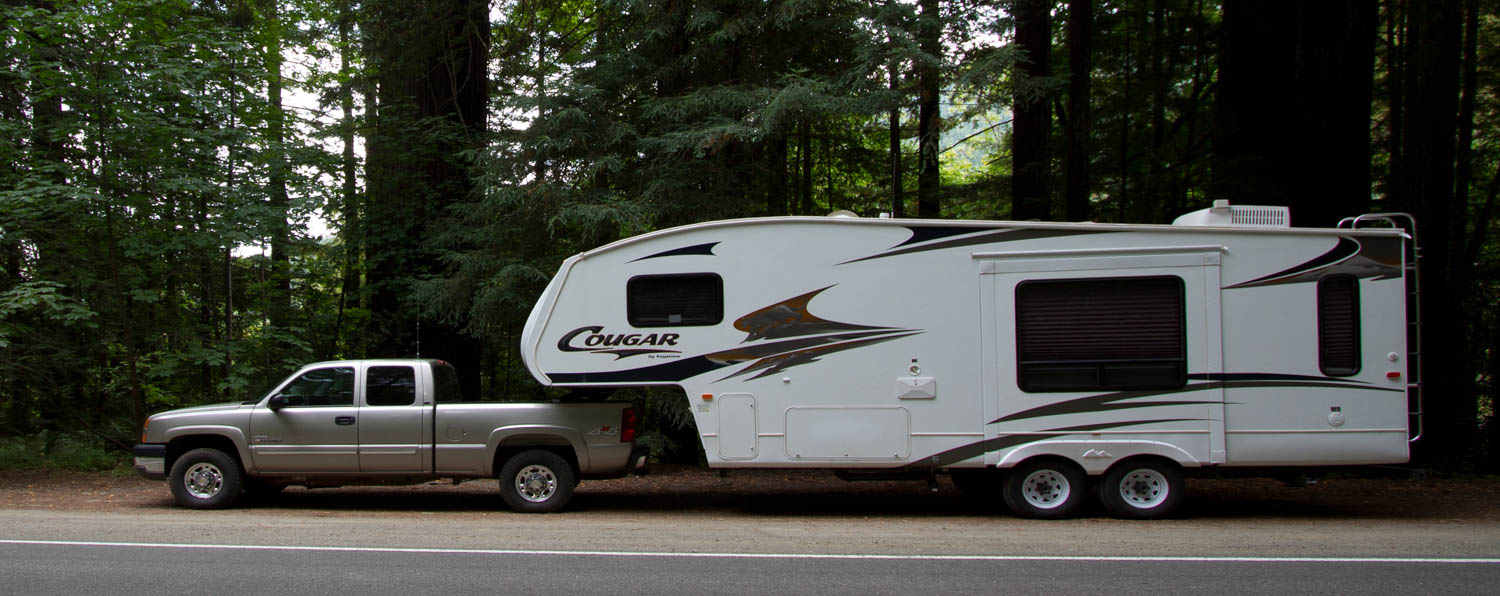
Today we traveled across the political area known as Nevada to a location known as Cave Lake. The local fauna is very friendly. We visited a local informational location and observed a large bird known as a dusky grouse. The bird walked up to and under our vehicle presumably in attempt to elicit meal items. This was a very strange behavior for a supposedly shy animal, but easily explained given the small brain pan (size of a small ball bearing) of this creature. They must be prolific reproducers to be this stupid. Later, back at camp, a member of the Sciurid clan continually asked for alms.  Said individual tried to climb on the Captain multiple times. The Captain tried to shoo the animal away but the animal was nothing if not persistent. The Captain attempted to retrieve a squirrel repellent spray from the Puma Palace but the First Officer had not placed the spray in the proper weapons locker. The Captain then launched preemptive strikes with small locally obtained stony projectiles, striking the impertinent creature at least twice. Eventually as darkness approached the animal departed.

1.10.2015 Expedition Day 3
The day started as the Captain was awakened by the First Officer thrashing in his sleep. In retaliation the Captain awakened the First Officer. The First Officer was quite perturbed to be suddenly awakened from a dream about warfare with the Sciurid clan. Unfortunately the First Officer was unable to achieve definitive victory due to premature awakening.  The crew then went for an exploratory foot excursion to the eponymous lake.  The lake is about 15 of the local acre units. There were several of the Osprey fisher birds obtaining their morning meals as well as approximately 100 of the Coot clan. Other avian folk observed included ruby-crowned kinglets (smallest crowns in the known universe), spotted sandpiper (not currently spotted), and the near ubiquitous red-shafted flicker. Upon returning, we dined al fresco where the Captain was attacked by a small-feathered species referred to by locals as a mountain chickadee. The Captain was not amused. The First Officer found it hilarious.

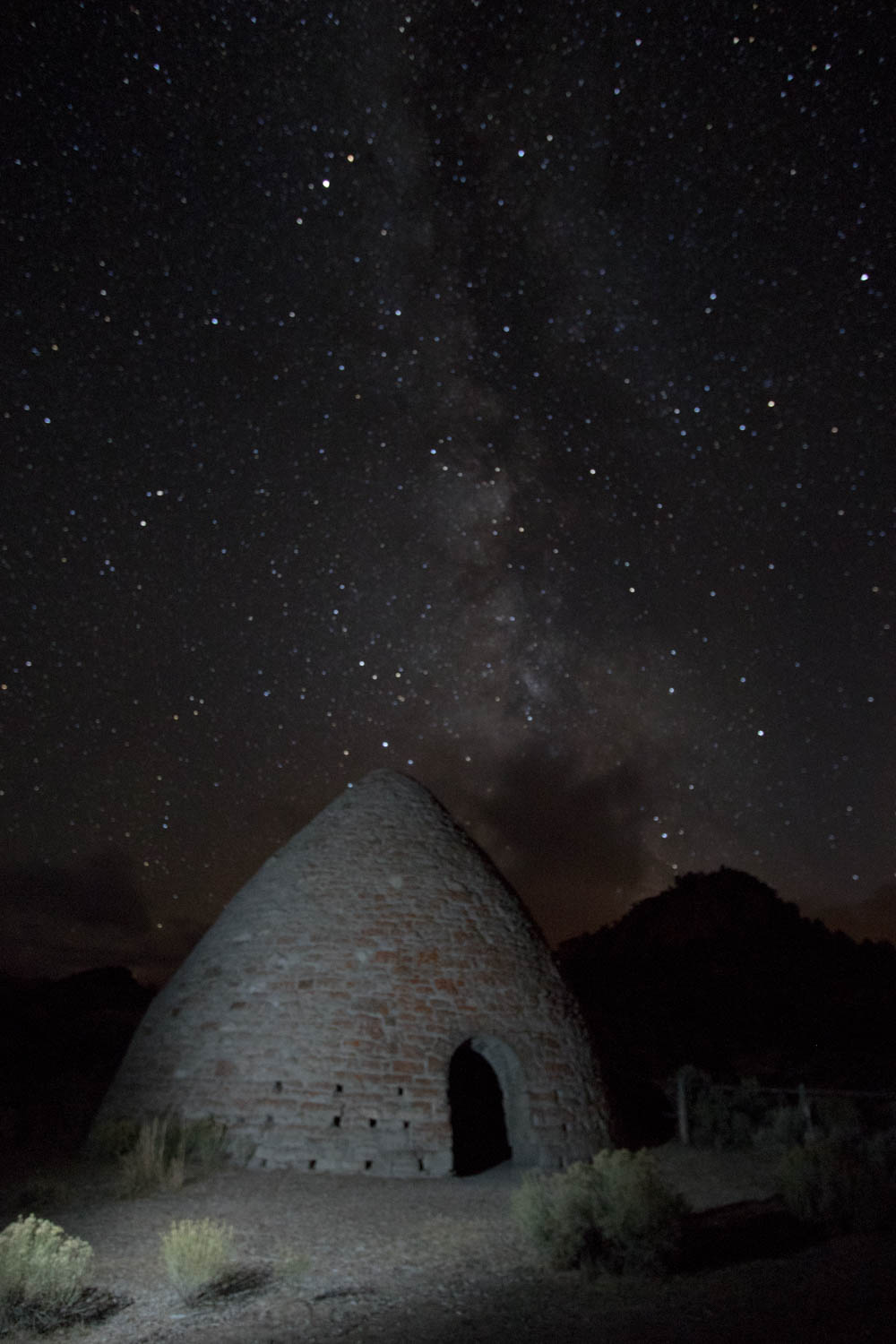
Today our vehicular exploration first took us to the Ward Charcoal Oven State Park. Made many images of these historical structures in the middle of the day. We then drove the Surprise Loop road. This road loops up on a mountain behind our camp and back down to just north of the burg of Ely. Road was of native surface but in good condition and suitably wide.  There were some areas with good vistas but the main attraction was a long riparian area with aspens whose leaves were being shed. Again many images were made.  However, strong winds affected the area limiting some opportunities for walking and image making. Near the end of the loop we made contact with Special Agent (Trainee) Turner at her TDY training facility at Glynco. All copacetic on that front.
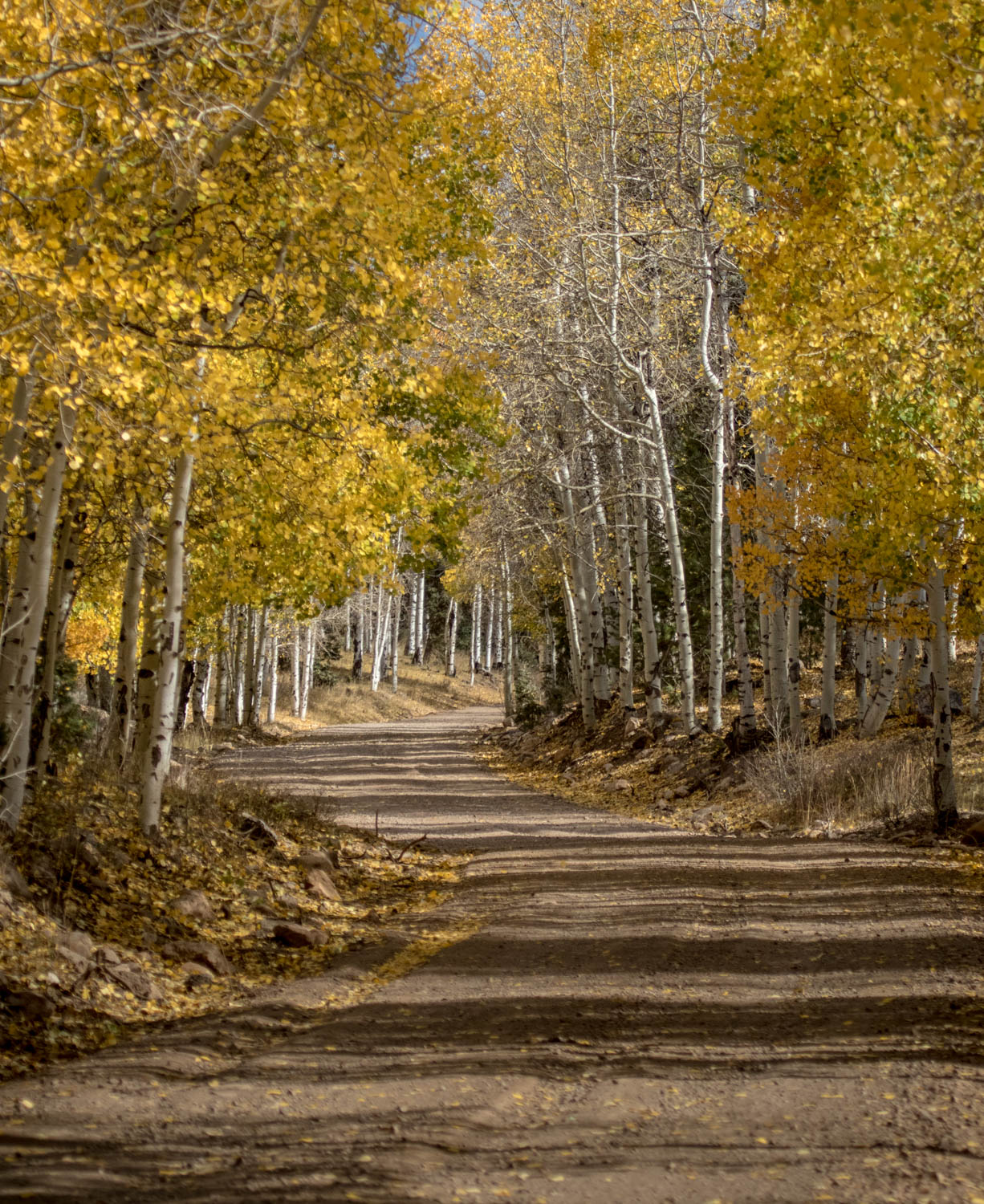
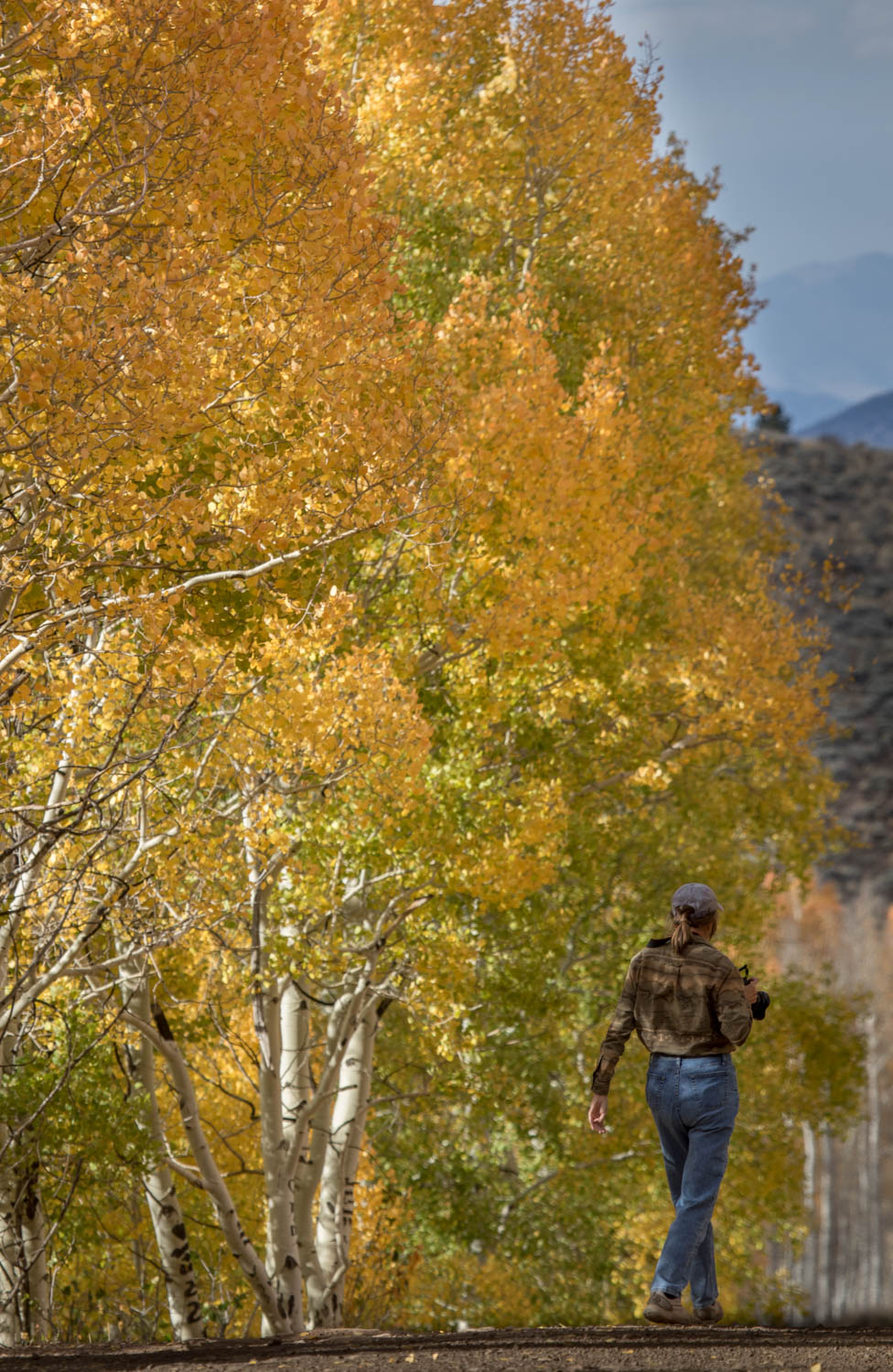
Our original plan was to return to camp for evening repast but as we had spent so much time on image making, we thought it prudent to return to the ovens and take sunset pictures. As evening slid toward darkness thunderstorms and lightning enveloped the eastern horizon while the Milky Way appeared overhead. Many images were again made.  This delayed our return to camp necessitating foraging in Ely. A very sub-par offering was had at the Clan of the Double Arch. Service was absent –literally. We stood for many minutes waiting for service. The Captain was not happy. Then service personnel forgot eating utensils, then drink machines were inop. Then service that did occur was surly.  Possibly the first known rating of minus stars. We returned to our bunks in time to be serenaded by a close thunderstorm, which delayed the onset of welcome slumber.

Log transmission ends. Standby for future log segment...
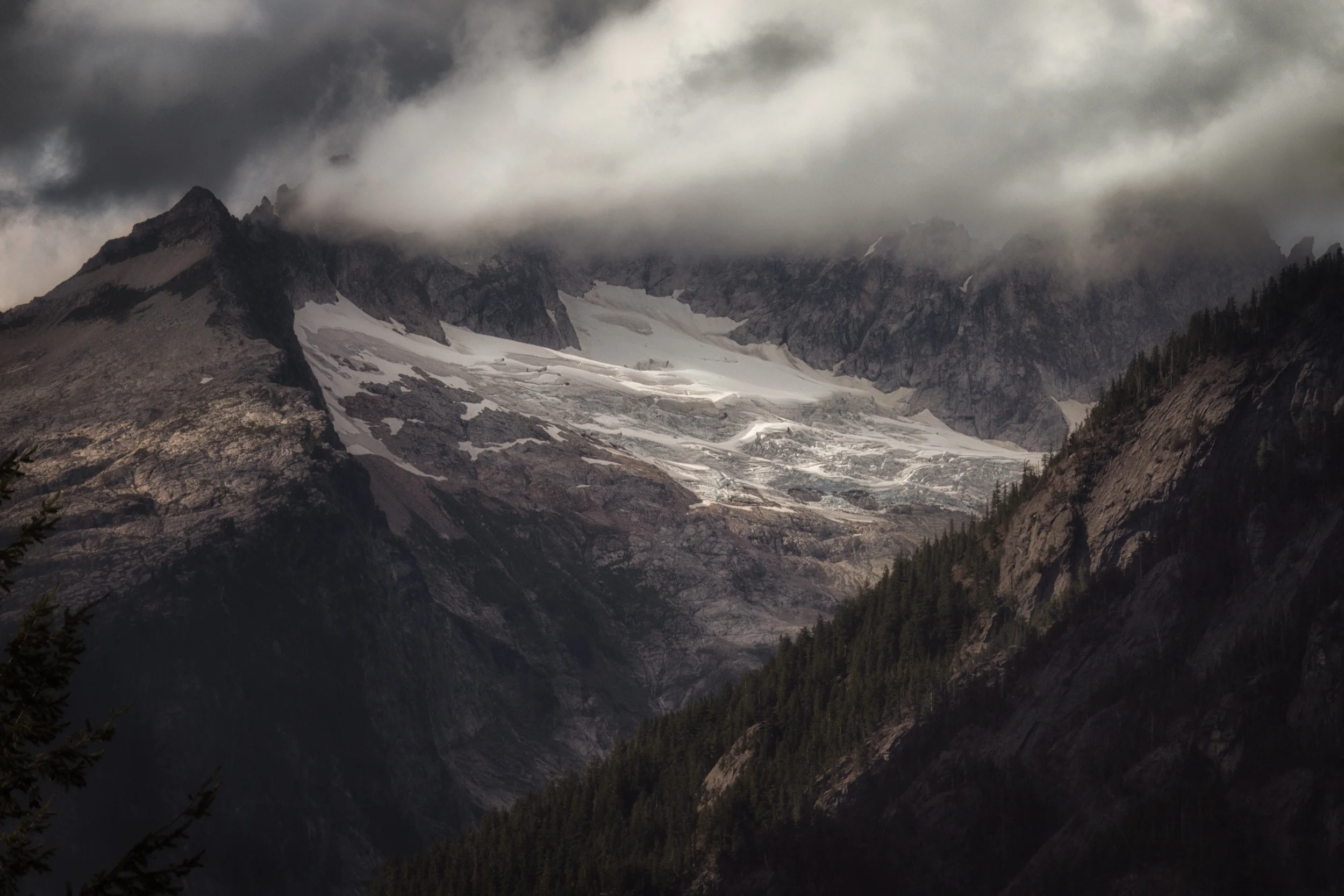
Scenes from August

August. The dog days of summer. That part of the year when the smoke columns grow, the copters fly and pigs die (in order to feed firefighters vast quantities of bacon, pork chops and ham sandwiches - wildland firefighters get tired of pork). It is also the season of vast hordes enjoying their National Parks and nature. The sun is high, the light is harsh, the air is warm. It is usually not our favorite season for making photos. But we did get out some. So here are a few photos to look at while the baby-back pork ribs marinate... (You can click on them to make them larger on most devices - the photos not the ribs.)

A windy morning over Hatchet Mountain.

Mirror power - cubed.

Lightning strikes in Vegas

Hmmm we seem to have been stuck on the power theme again. So how about a peaceful little bug picture:


Who you lookin' at??

Hope you enjoy the last days of summer. We are looking forward to the cool days of fall, lower sun angles, and fall foliage. Hopefully we will be back soon with more photos. In the mean time, there are ribs and beer waiting....


Boyd TurnerComment
Stopover

When we travel between Southern California and where we live in northeastern California, we often stop at Mono Lake. Recently we stopped there again. The unusual part was this time Boyd spent more time looking at the feathered birds than the metal birds that were dropping water on the nearby Walker Fire just up the hill. Why the feathered birds? Because Mono Lake provides an interesting break for humans as well as birds. On this trip the stars were Wilson's phalarope, Least Sandpiper, and a Sage Thrasher.

Walker Fire

Wilson's phalarope breeds in the intermountain west between the Rockies and the Sierra/Cascades. They fly to the southern parts of South America for the non-breeding season. These little 9 inch birds travel thousands of miles to avoid winter after tanking up at Mono Lake on brine shrimp and brine flies. Interesting phalarope trivia: unlike most birds, the females have brighter plumage than the males and are the more "aggressive" at courtship.

Wilson's phalarope

When trying to avoid winter, Least Sandpipers don't travel quite so far as phalaropes.  At only 5 inches long, these little shorebirds are pretty small. But fueled up on brine flies they cover some serious distances. They breed in the sub-arctic areas of North America and travel as far south as the northern areas of South America.

Least Sandpiper

Sage thrashers don't travel nearly as far as their smaller wetland neighbors, they only go to northern Mexico. This probably is related to having to find food in the sagebrush communities they live in. They just haven't learned about the tremendous biomass of brine flies on their doorstep at Mono Lake. Given how fast sagebrush communities are changing (primarily from invasive species from the Asian steppes) maybe the sage thrasher needs to learn from its smaller cousins.

Sage Thrasher

And just for the record, we don't stop at Mono Lake to fuel up on brine flies. They are too salty for us.

Boyd TurnerComment
Cascades of the North Cascades

Recently we escaped some of the summer heat with a visit to North Cascades National Park and Ross Lake National Recreation Area. North Cascades is a backpackers park that runs down the spine of the Cascades from the Canadian border south, nearly to Lake Chelan in central Washington. Ross Lake NRA bisects the National Park along the Skagit River and Washington State Highway 20. To really see the views involves long uphill hikes. But rain and steep terrain result in cascades and waterfalls (and 3 large hydroelectric reservoirs). So of course we had to make some images. [If you want to see a full screen view of an image, click on the image.]

Clearing Storm over the Spires

Gorge Creek Falls

Ladder Creek Falls

Falls and Ferns

Rock and Falls detail

Turn d Force

Cascade #57

Freshet and Rock

Cascade with wood

The 5-year waterfall; resistance is successful.

A note about the 5-year waterfall: This is actually the discharge from a spill gate on Diablo Dam. Approximately once every 5 years the spill gates are tested to ensure they function properly. The resulting spill of approximately 4,000 cubic feet per second (CFS) creates a spectacular waterfall and cascade but only once every 5-years. Sometimes we get lucky with our travels.

The End of Spring

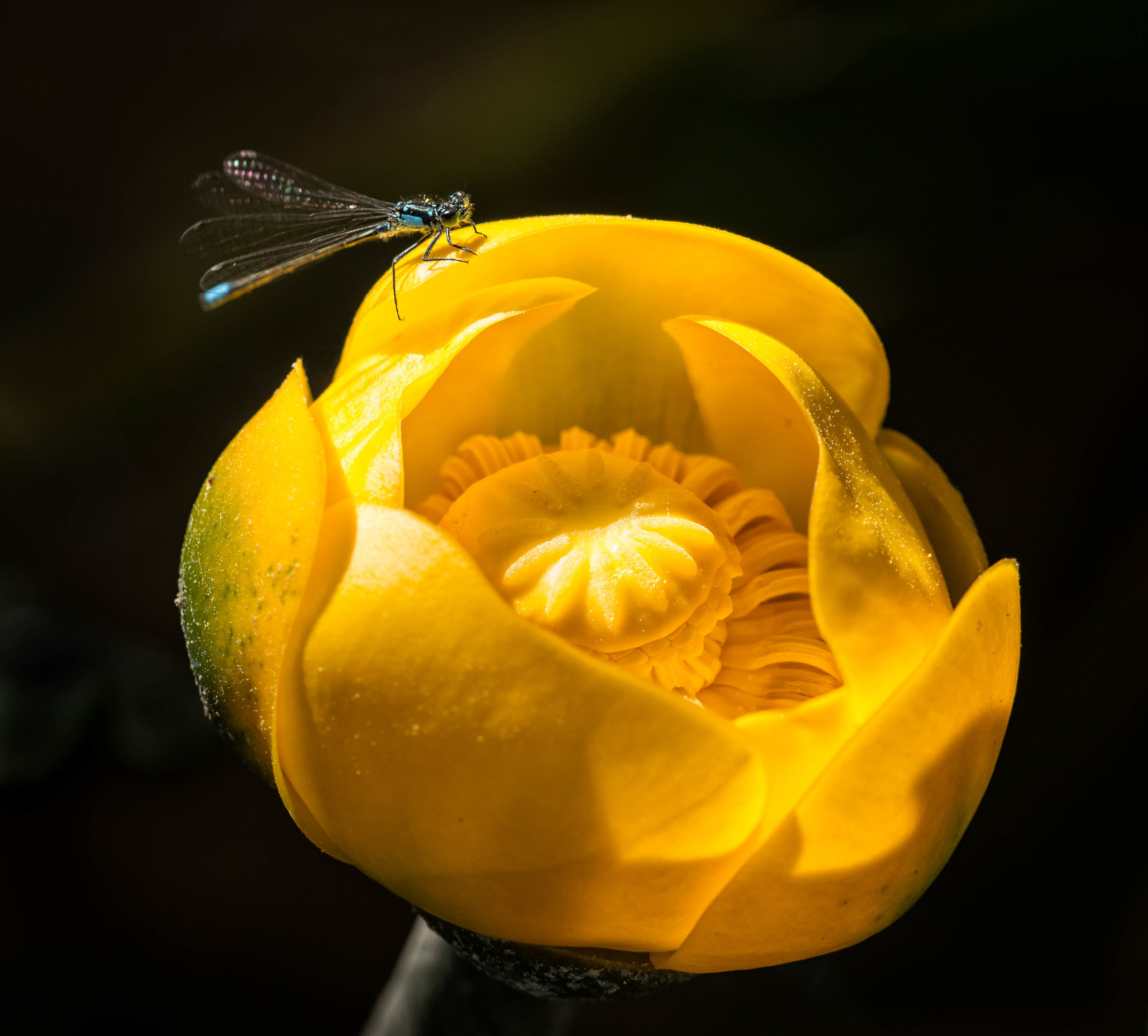
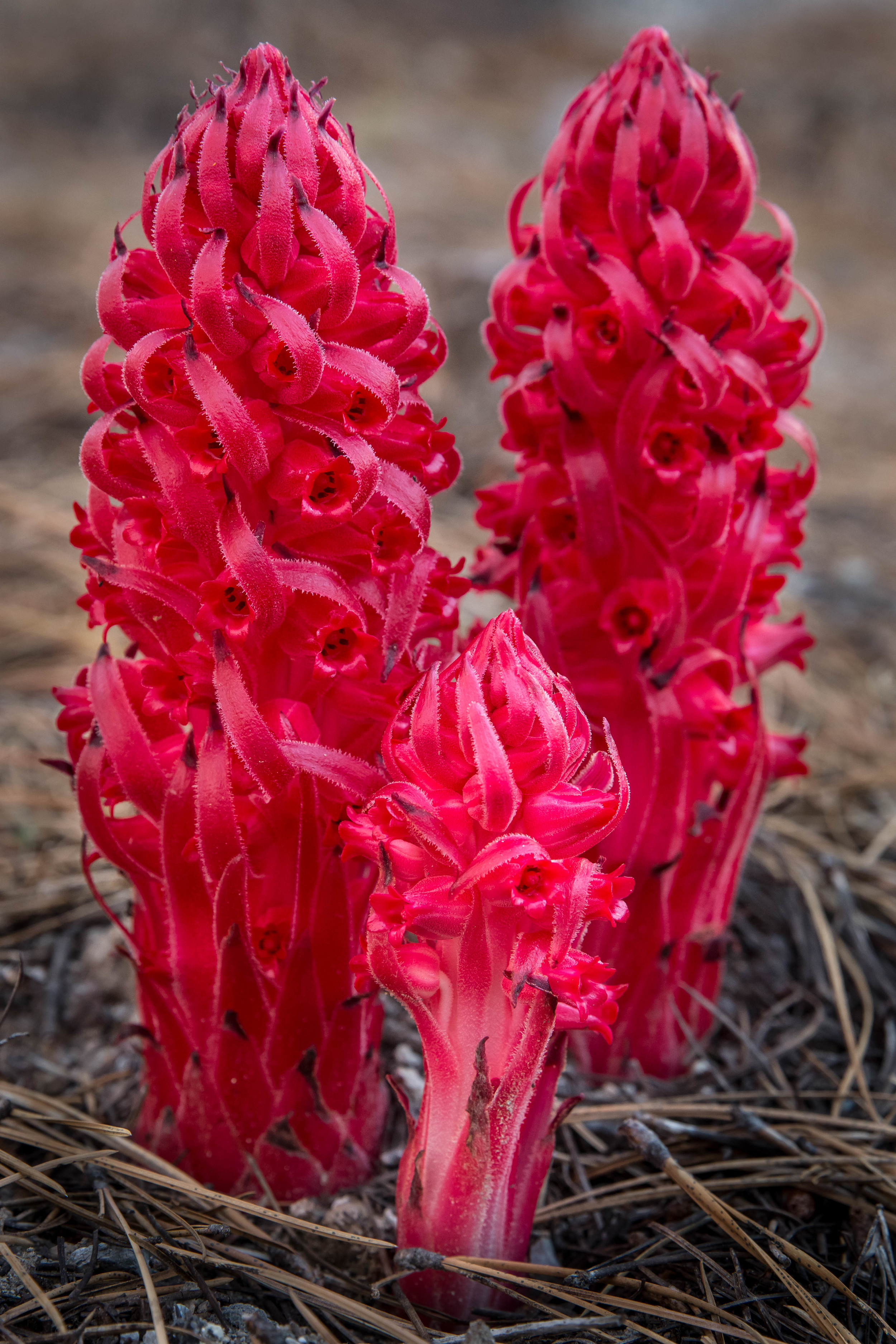
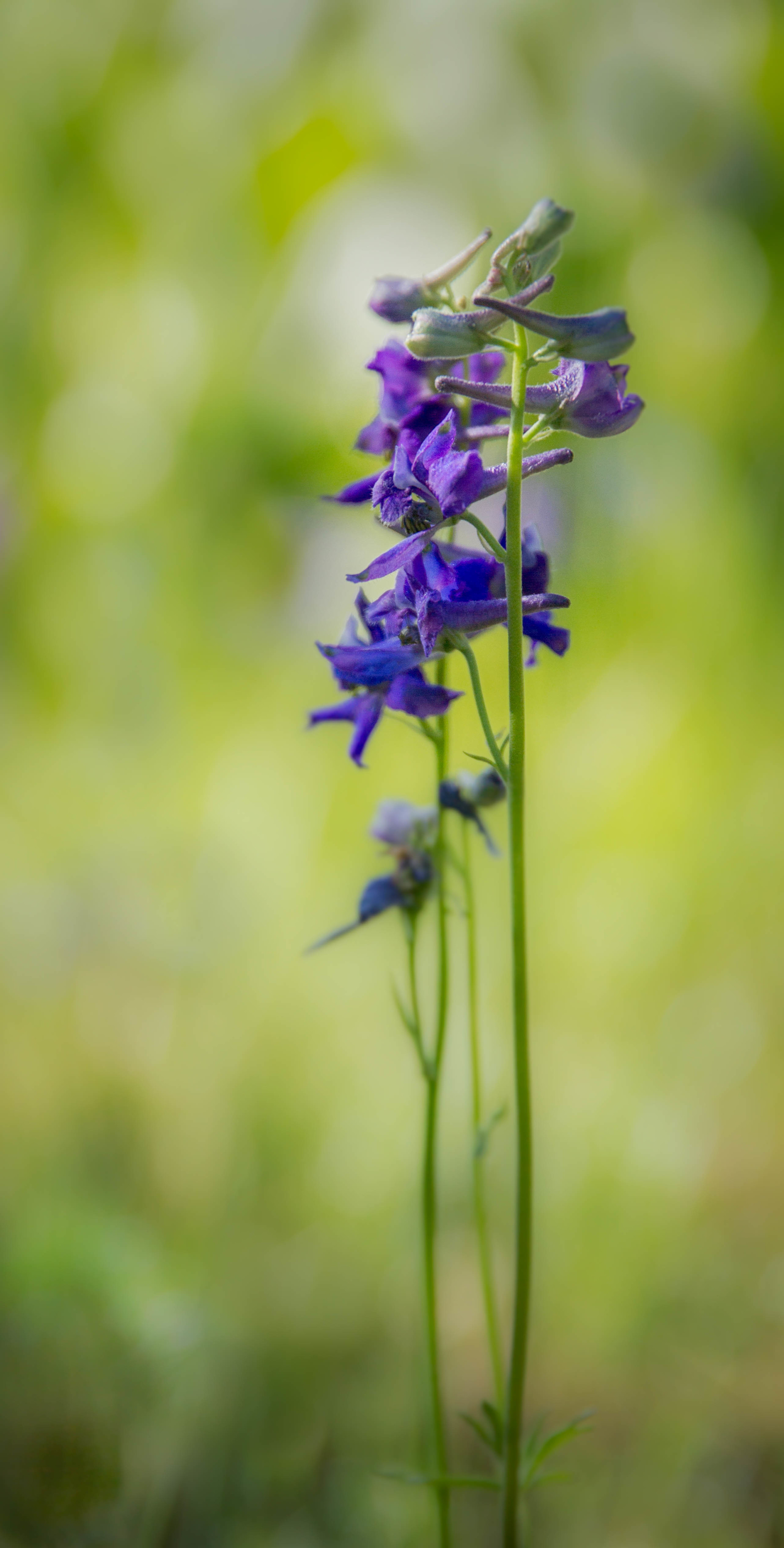
It may be hard to remember that Spring only ended five days ago. Here in the Intermountain area of northeastern California, temperatures are hot. Like century mark hot. Like even the lizards are looking for shade hot. So we thought we would post a few photos of spring flowers to hopefully ease the transition.


Boyd Turner Comment
Castle of the Middle Kingdom

Between the giant anthill known as Los Angeles and the slightly smaller anthill known as the Bay Area lies a lesser known area of California. Some residents call it the Middle Kingdom. And like all good kingdoms, this kingdom has a castle. This is not a dark foreboding castle but one of art and sensuality. This is a castle of colorful gardens, set on a hill above a shining sea and populated by the most beautiful people of its day.  Like many kingdoms, this castle fell from favor as its aging monarch fell into old age. But fortunately, the greater Kingdom of California now manages this place and attempts to keep at least the appearance of its former glory days.

We visited the Middle Kingdom recently and made the journey to the Castle. And though we are not fans of conspicuous consumption, we are (or at least try to be) appreciative of art and craft. Take this cottage for instance, how can you not find it at least attractive. Maybe not your style or ours, but attractive.

And those gardens filled with art and flowers, imagine a warm spring afternoon wandering through the gardens with a beverage from the cellar in hand.

And as for sensuous, have you seen this pool? Can you imagine it in the light of a full moon? Think you could get lucky here?

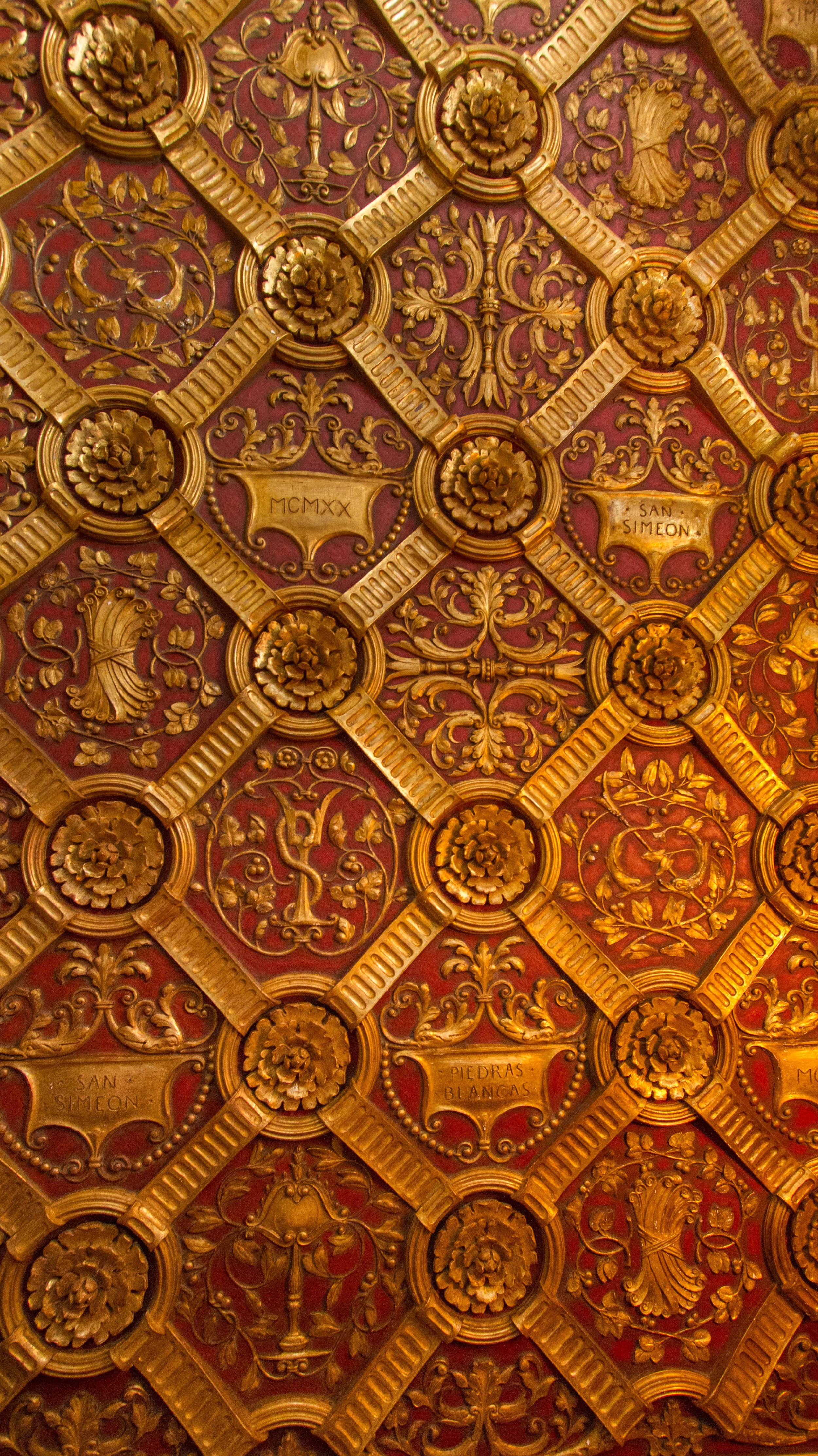
But like many royal projects someone should have told the King to stop, or at least "Mellow out , dude" (Hey it is the Middle Kingdom - people talk that way there). Can you imagine waking up after a long night of liberating libations to this ceiling above your bed?

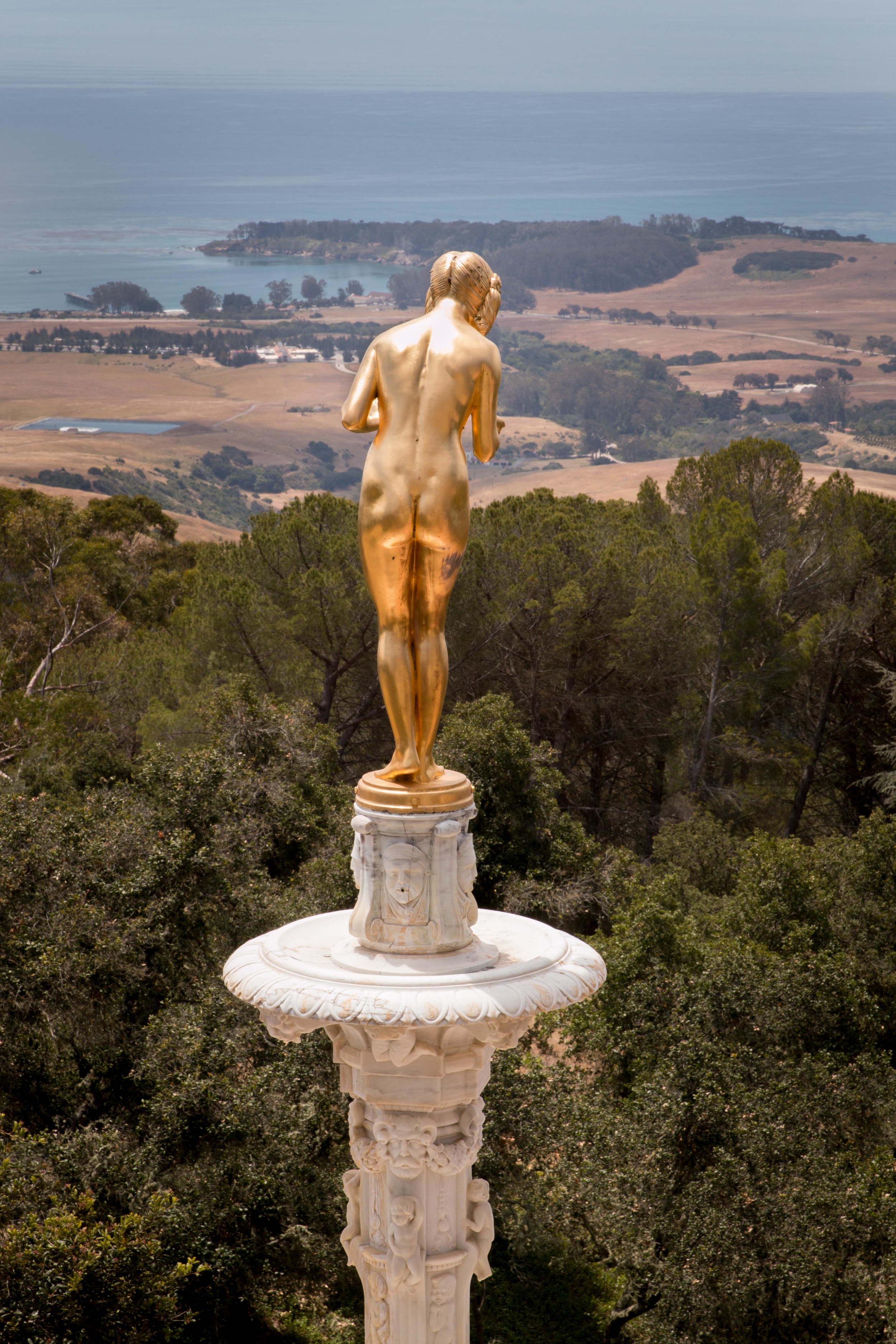
But the ornate is not found in just one or two rooms but in every room. And outside, marble statues are insufficient, there must be gold statues as well.

Eventually, as we wandered the grounds and took the tours, the opulent and ornate ostentatious display of wealth became over-bearing. We left the Castle to return to what we think are the true treasures of the Middle Kingdom.... expansive landscapes and the shimmering sea.


Boyd TurnerComment
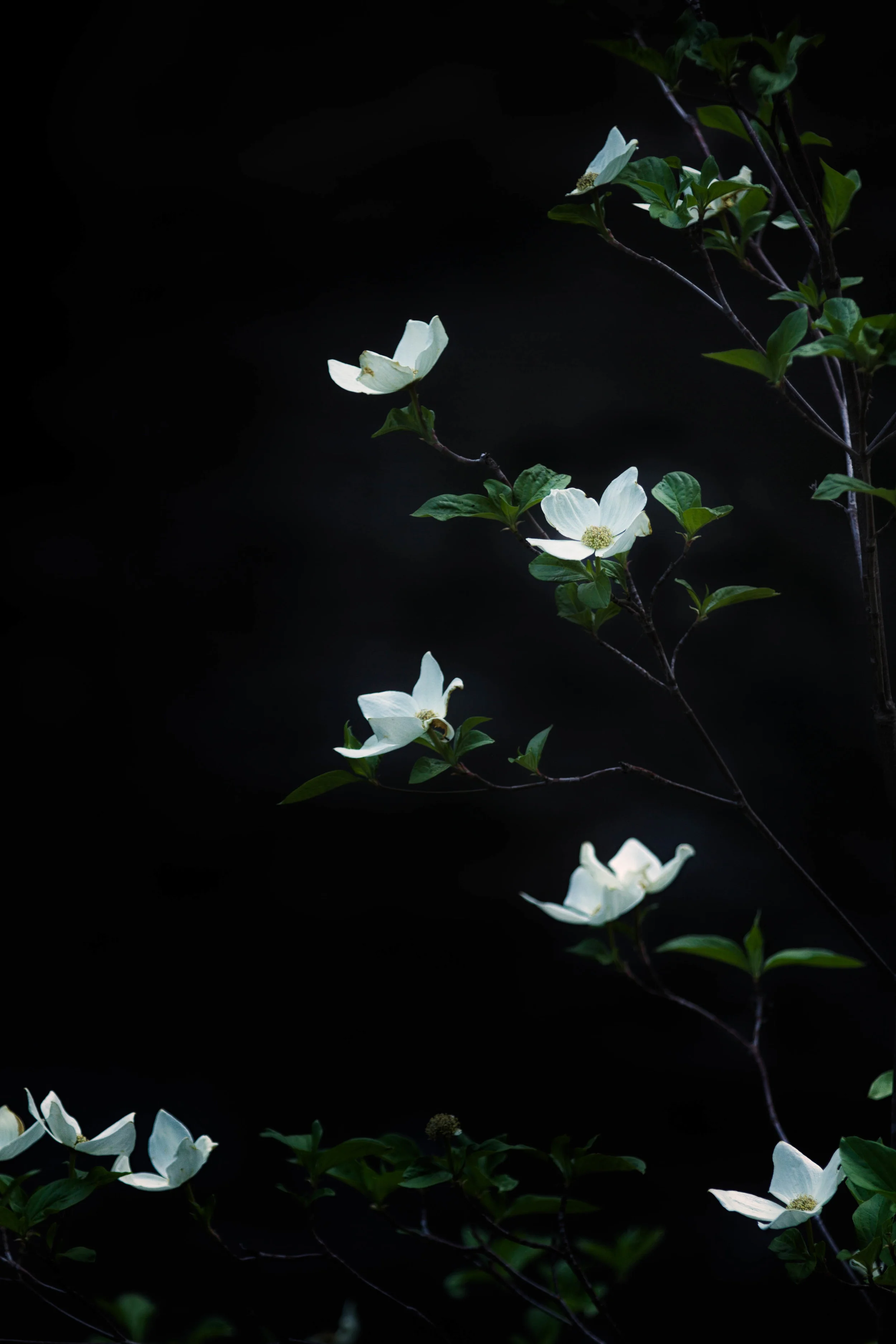
What's the name of your tree?

Last week we were out on the McCloud River taking pictures. This week we were helping the local environmental education foundation (Spring Rivers) with the Foundation's field trips for local school kids. The two don't seem that related. But sometimes things have a way of coming together.

As part of the field trip we had a station where we helped the kids experience trees. During the lesson they "adopt" a tree. Near the end of one group we had an exchange that went something like this:

Kid: I know what the name of my tree is.

Adult: Really? What's your tree's name?

Kid: Puppy.

Adult: Oh I guess it must be a.....

......Dogwood.


Lighten up. You light up my life. Light on the water. Night Light.
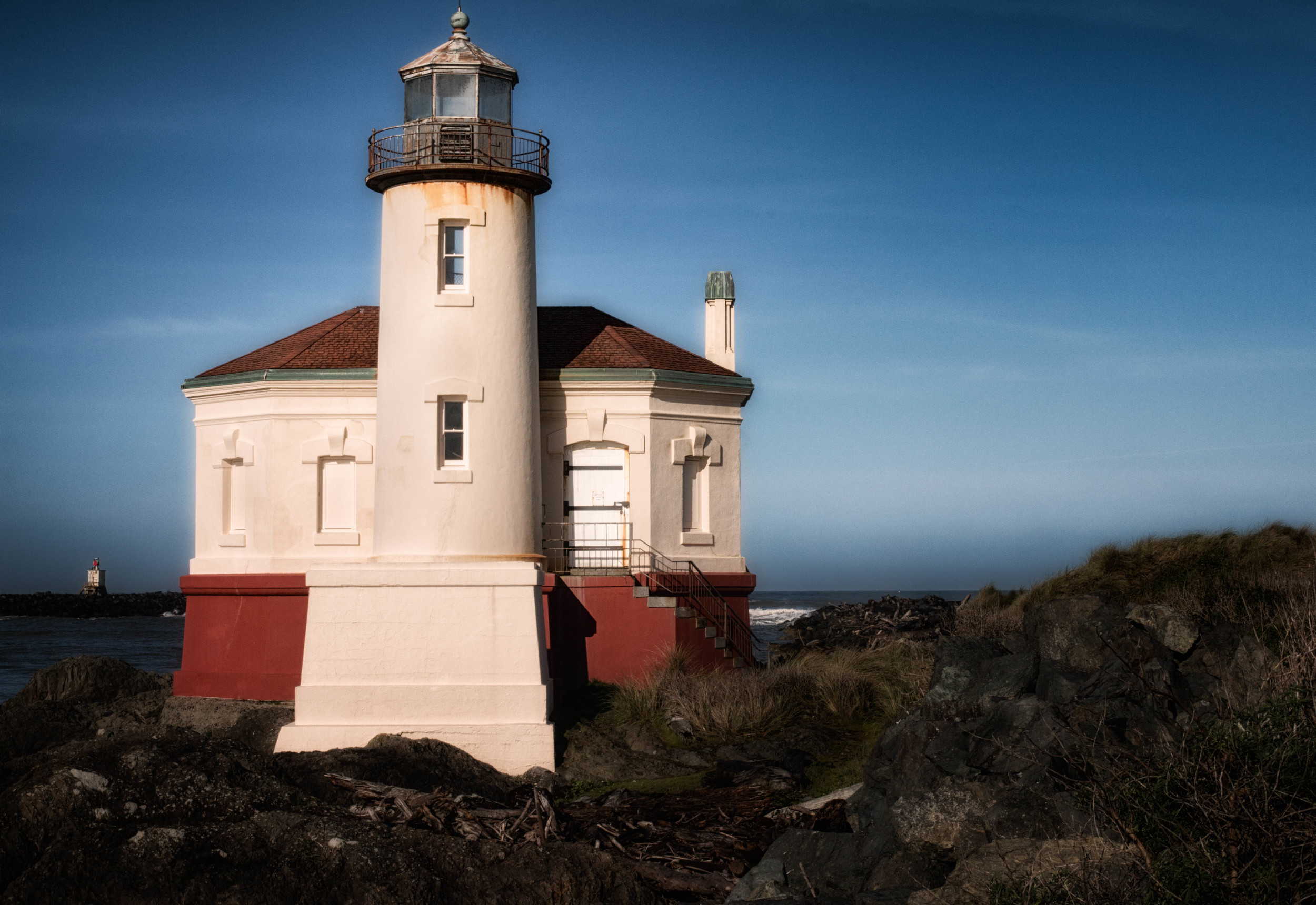
Coquille River lighthouse, Bandon, Oregon

Coquille River lighthouse, Bandon, Oregon

Tybee Island, Georgia

We are confused what to call this story. We enjoy looking at and photographing lighthouses – they come in all varieties, sizes, and heights, with each colored in a unique paint scheme used by mariners to pinpoint their position along nearly indistinguishable shorelines.  Their light provides a winking shaft of reassuring security through the shrouding fog or gloomy darkness.  The technology is pretty amazing for basically being little changed since the 19th century.

Fort Niagara New York

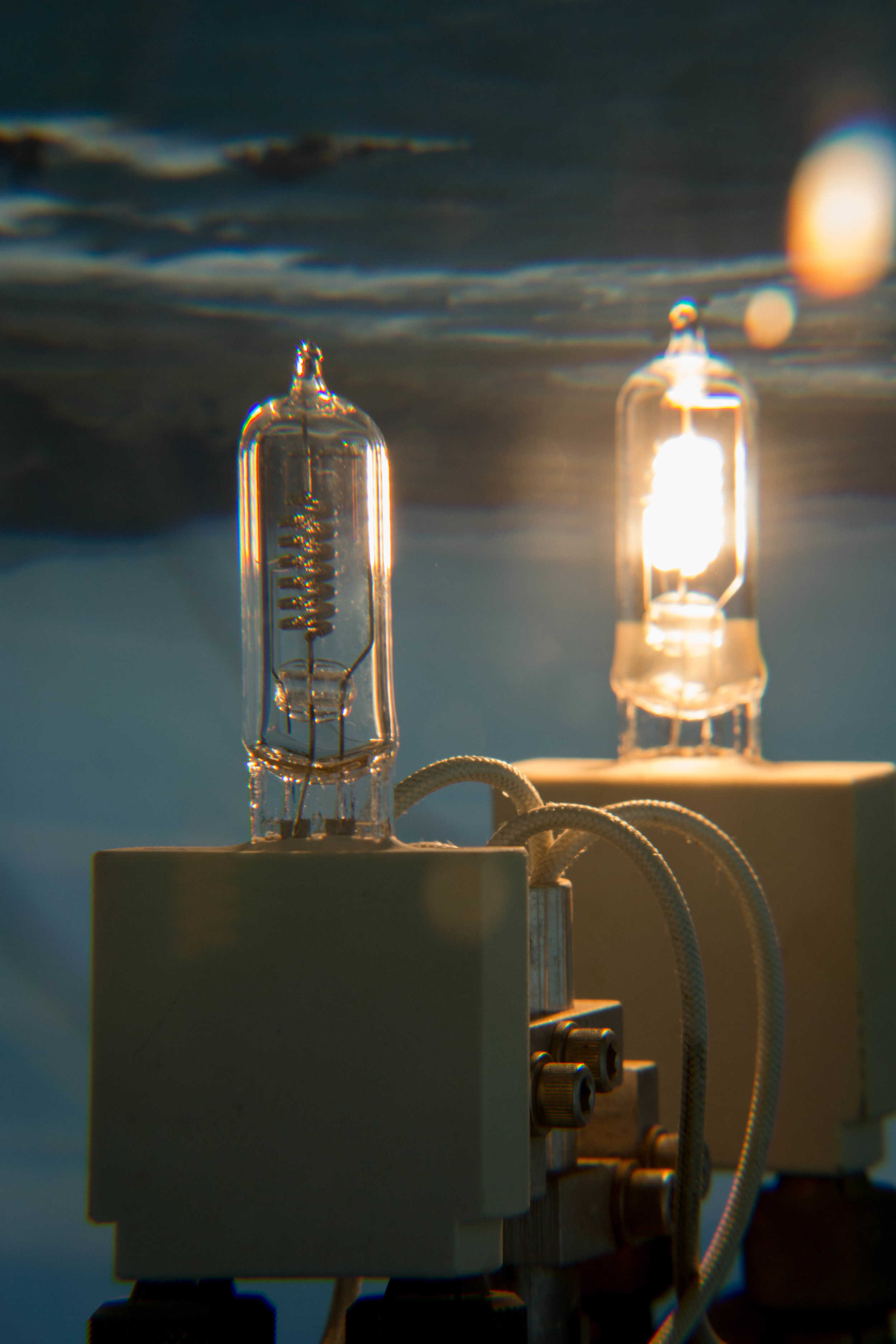
A Fresnel lens allows a beam of light from a puny little halogen lightbulb to be seen 25 miles out to sea at Cape Blanco in Oregon. Other lights being closer to the surface of the water can't be seen so far away.

Halogen bulbs inside the Cape Blanco lighthouse Fresnel lens. Yes that is the ocean in the background.

Halogen bulbs inside the Cape Blanco lighthouse Fresnel lens. Yes that is the ocean in the background.

Think what it must have been like before GPS; you are at sea, the engine is sounding a little rough,  it is dark (inside the closet in the basement kind of dark), the seas are picking up , the wind is increasing, and then you see the flash of light sweeping the horizon. You count the seconds, look at your chart and you know you are near Cape Hatteras - the graveyard of the Atlantic. (Gulp!)

Maybe it isn’t always a welcome sight.

Cape Hatteras light

So maybe the attraction is just the story. Maybe the symbolism of the light is what attracts so many landlubbers to this nautical aid? Or maybe just because they are built in cool places where the water meets the land. They may be mostly an anachronism but we think they are pretty interesting anyway.

Detail of the edge of the Fresnel lens of the Cape Blanco, Oregon light.


Boyd Turner Comment
Everybody out of the water!!!!
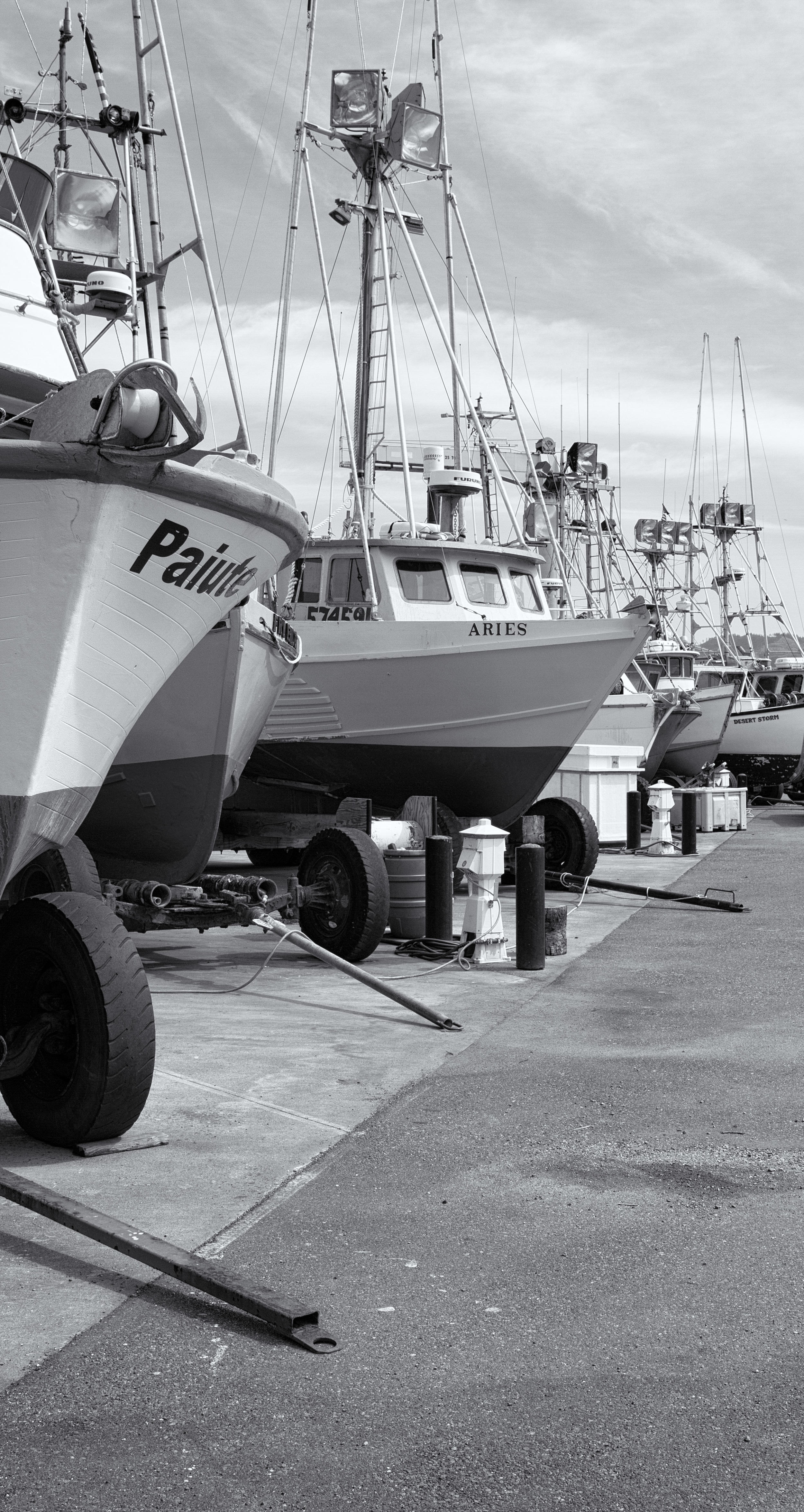
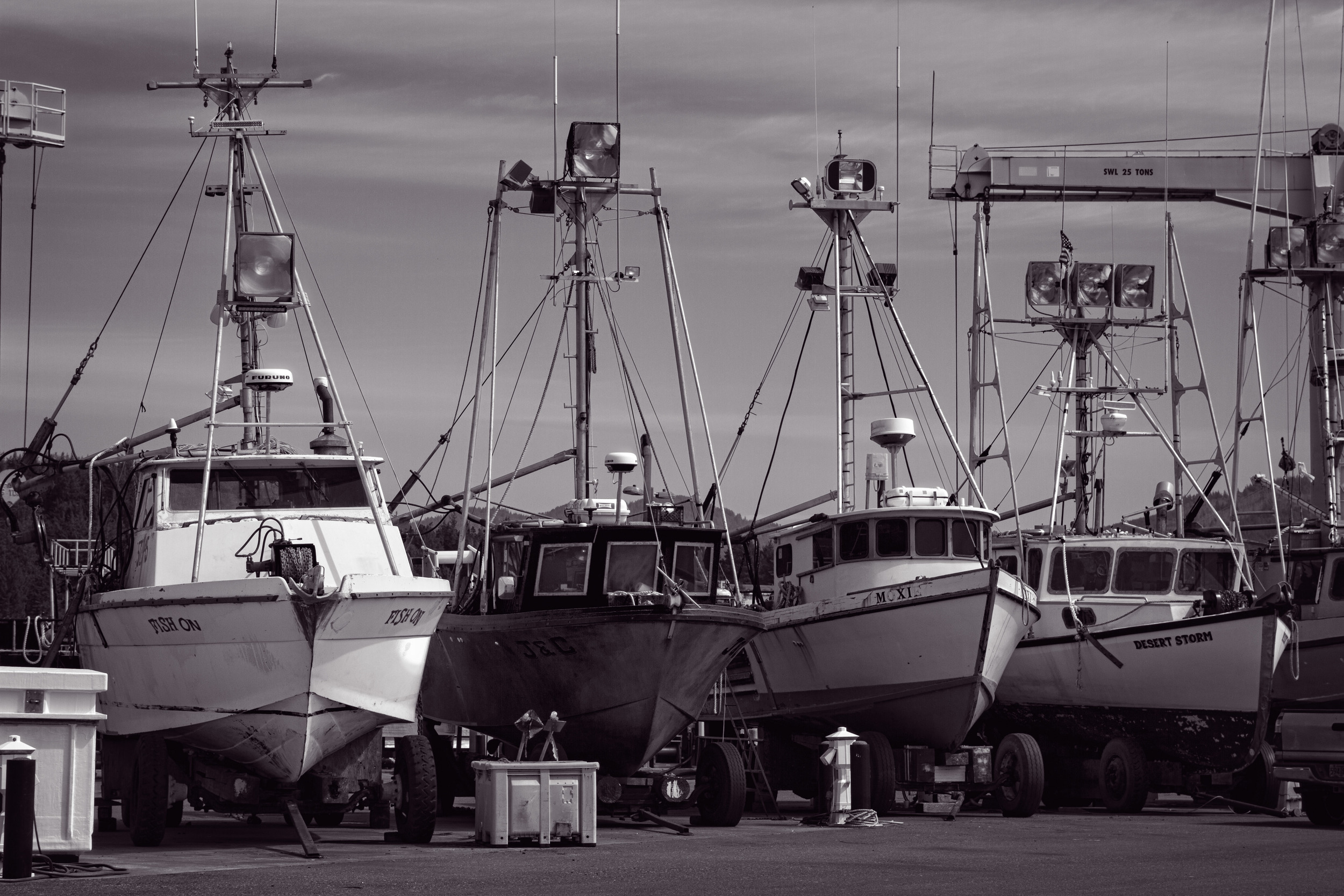
The fleet waits.jpg

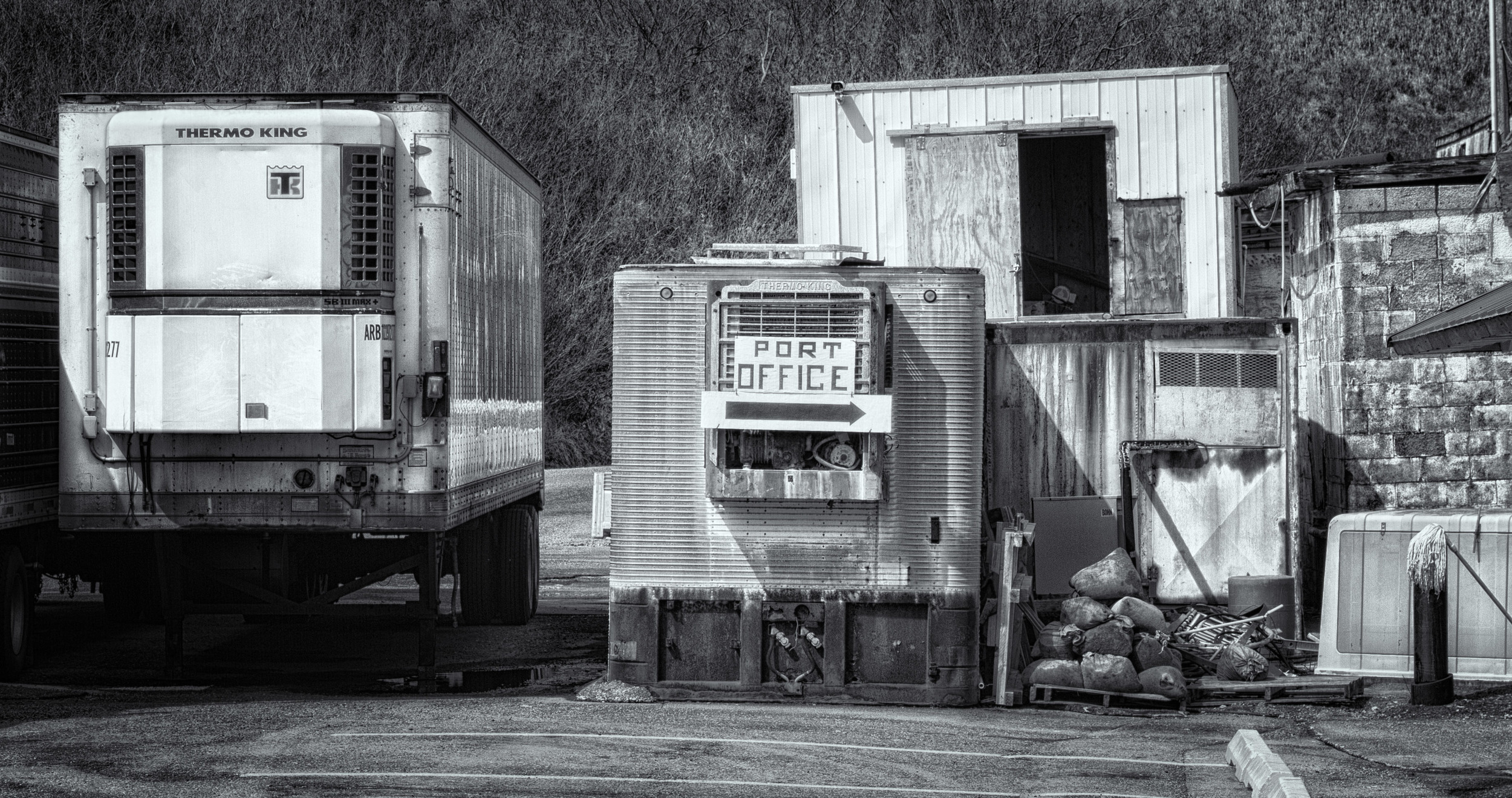
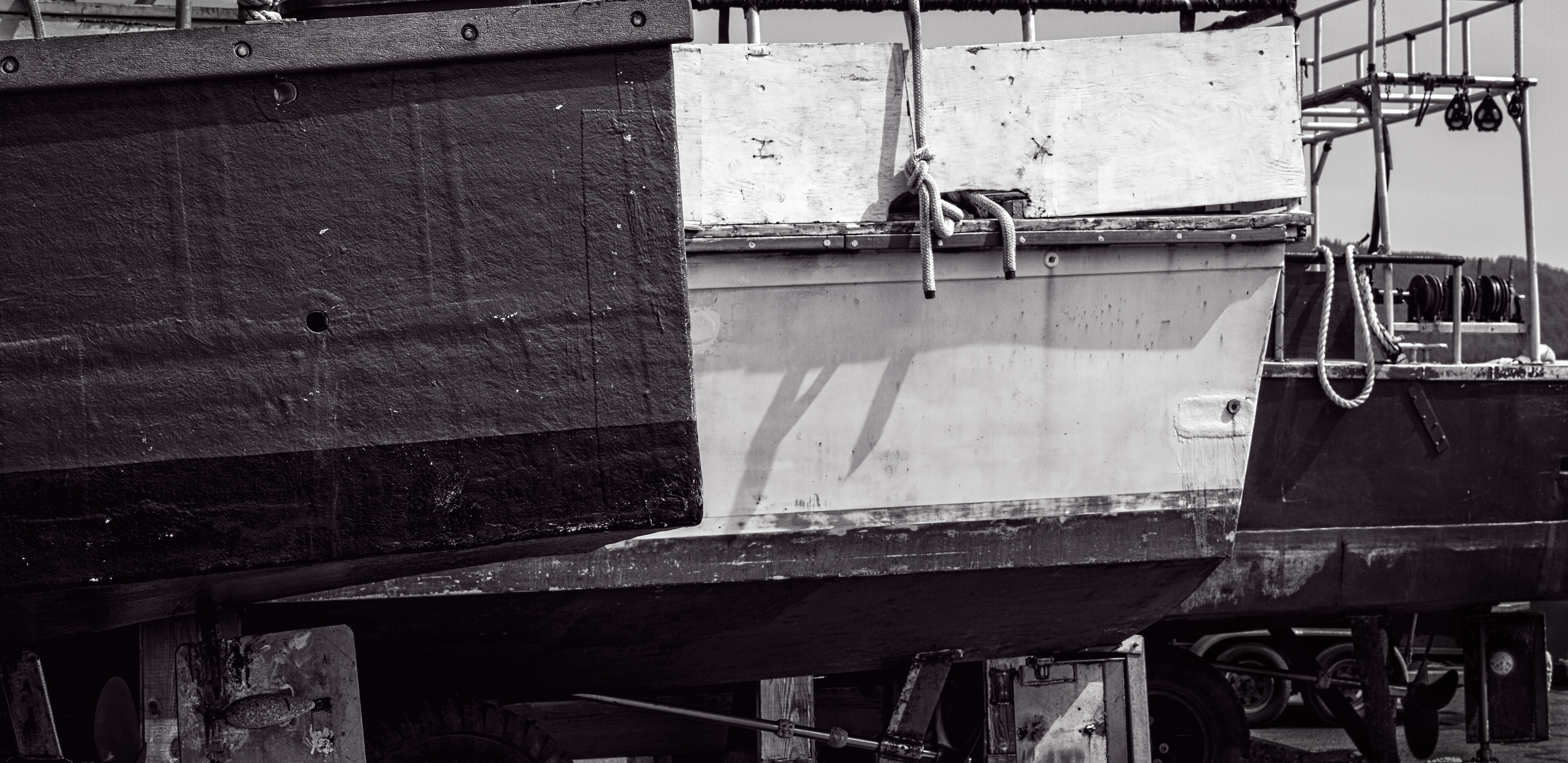
Remember when you went to the public pool when you were a kid? Didn't you hate it when the lifeguard made everyone get out of the pool? In Port Orford, Oregon, all the fishing boats have to get out of the ocean. There really isn't a port, just a big wharf where the boats can be lifted out of the water and put on wheeled dollies. This makes for some interesting views of fishing boats. It just isn't that often you see an ocean-going fishing boat completely out of the water. These fishermen have to pull their boats whenever they are not fishing. I guess the good news is that maintenance has to be easier. On the day we were here, a winter storm was predicted to be coming ashore, so it looked like everybody was out of the water. Lots of interesting details to look at while we ate our lunch on the seawall, which appeared to be a whole lot nicer place than the port office.

(Click on the thumbnails for a larger version)

Boyd TurnerComment
Complicated Dam photos
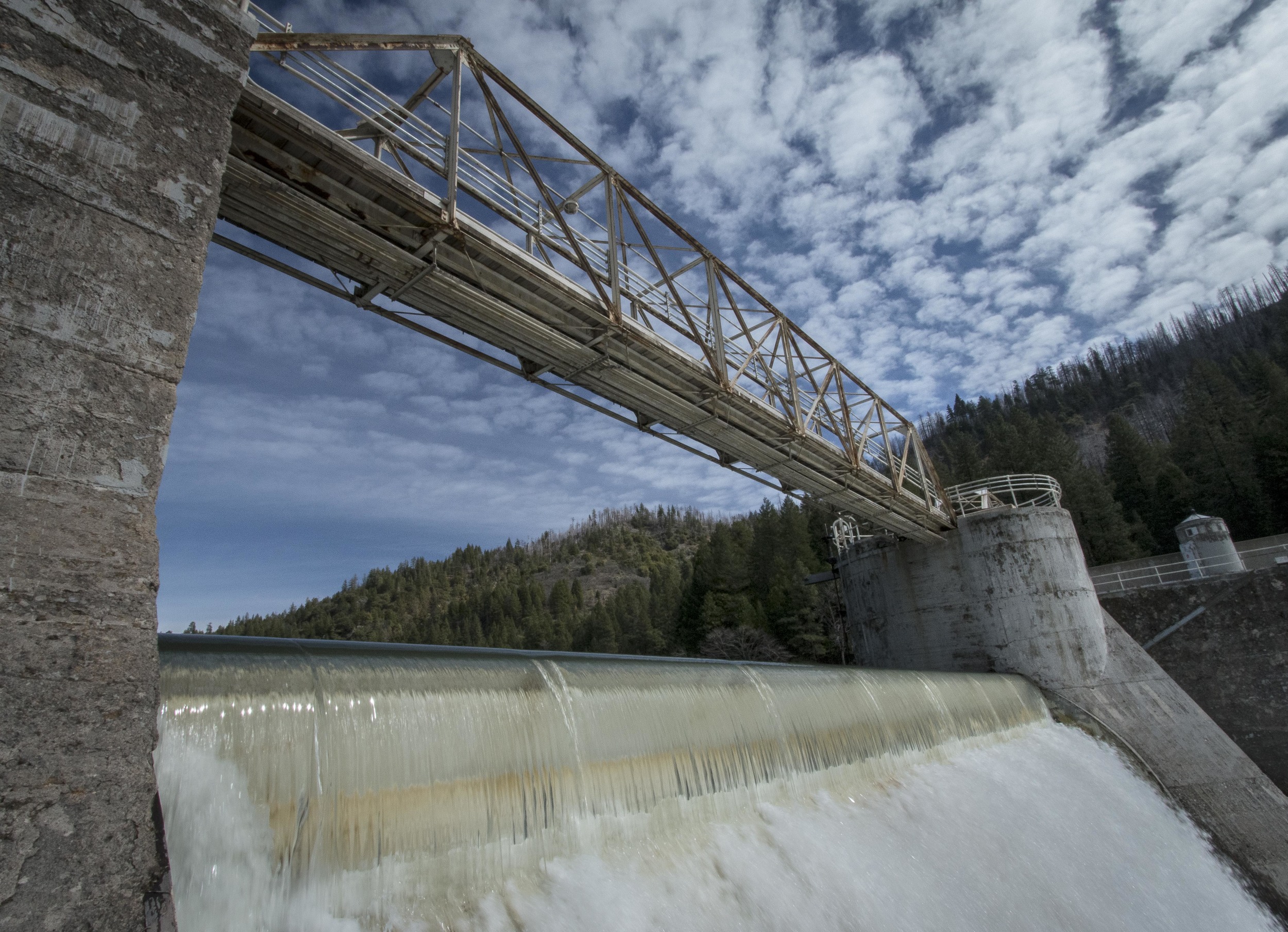
The Pit River in northeastern California spills over the Pit 4 Dam.

The Pit River in northeastern California spills over the Pit 4 Dam.

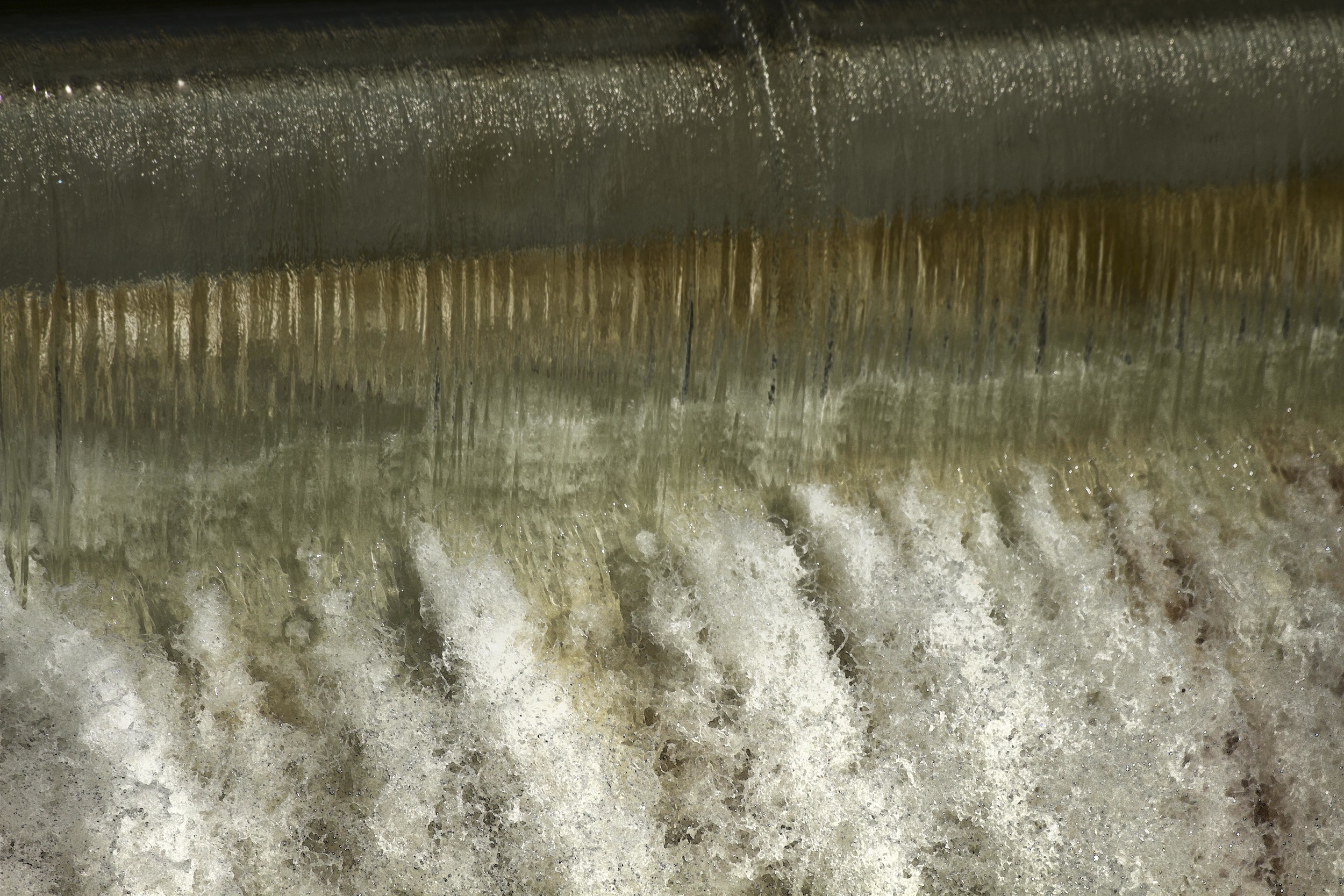
What is it about water flowing over dams? We have a long complicated relationship with dams, especially along the Pit River. Really complicated. Complicated like an evening soap opera plot. Complicated like a classic love/hate triangle. Complicated like the fine print on a form at the doctor's office. Complicated in ways we still don't really understand. Suffice it to say, we find ourselves attracted to dams flowing water when we are out making photos. Recently, the Pit 4 Dam was spilling water as we were out looking at the proverbial "stuff".  We had to stop and make some pictures. Color pictures. Abstract pictures. Monotone pictures. Simple pictures. Complicated pictures. Way tooooo many pictures. There was much groaning at the computer monitor when we saw how many pictures. So we winnowed them down to a smaller number. Hope you enjoy them, we do, but the reasons are complicated.

Boyd Turner Comments